
Representing Victims Injured by Dangerous Products
Every consumer product you purchase is supposed to be safe, and every product manufacturer is required to ensure the safety of what they sell. However, too often, manufacturers will cut corners, putting your safety on the line. Your car can have a faulty part that makes it unsafe to drive. Your prescription medication or the food you eat can be hazardous for human consumption. If a dangerous consumer product has seriously injured you or a loved one, product liability law allows you to seek compensation for your injuries.
A catastrophic injury from a defective product can change your life forever. Unsafe or dangerous household appliances, automobiles, prescription medications, and more can leave you permanently injured, unable to work, and in debt. An experienced product liability lawyer from Munley Law can help you file a product liability lawsuit and bring you the compensation you need, so you can go back to living your life to its fullest.
Every dangerous products lawyer at Munley Law has a national reputation for obtaining justice on behalf of their injured clients. With over 60 years of experience in product liability cases, we fight for those injured or killed due to a defective product. Our board-certified civil trial advocates have consistently earned rankings among the Best Lawyers in America. Both Marion Munley and Daniel Munley have received Lawyer of the Year honors by Best Lawyers in America for their work with product liability cases.
If an unsafe product has hurt you or someone you love, contact us today for a free consultation.
$32 Million Wrongful Death
$26 Million Truck Accident
$17.5 Million Car Accident
$12 Million Product Liability
$9 Million Truck Accident
$8 Million Truck Accident
$8 Million Truck Accident
$7.5 Million Auto Accident
$6.9 Million Garbage Truck Accident
$6.5 Million Traumatic Brain Injury
$5 Million Medical Malpractice
$5 Million Bus Accidents
Common Defective Products Leading to Injury
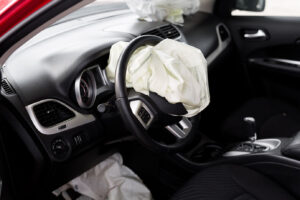 While defective product lawsuits can involve any consumer product, some are more common than others. Some of the most common types of product liability lawsuits include:
- Medical Devices – Many different types of medical devices and tools can cause patients harm. Some examples include blood clot filters, hip implants, hernia mesh, knee replacements, and more.
- Automotive Parts – Unsafe auto parts can lead to terrible car crashes, claiming innocent lives. We have handled cases involving faulty ignition switches, explosive airbags, and more.
- Medicine and Prescription Drugs – Prescription and over-the-counter medication can be harmful or even carcinogenic. If you or a loved one developed cancer, suffered a serious illness, or died because of dangerous medication, you may have a product liability case.
- Consumer Products – Household items, from furniture to cosmetics and personal care products, have been recalled for the dangers they pose to consumers.
- Heavy Machinery – Heavy equipment and machinery used in industrial settings or on construction sites can malfunction, leading to workplace injuries and death. We have represented injured workers and their families in cases against manufacturers of machinery and equipment.
Unsafe consumer products can cause you to sustain severe and long-term injuries, which can cause thousands of dollars in medical bills or force missing work for long periods.
Injuries typically seen in a product liability case include:
- Broken bones
- Fractures
- Burns
- Internal injuries
- Toxic exposure
- Paralysis
- Loss of a limb
- Blindness
- Wrongful death
At Munley Law, we have helped people who have been hurt or lost a loved one due to defective products of all kinds.

Understanding the Different Types of Product Liability Claims
Generally speaking, consumer products can cause injury in one of three different ways.
- Manufacturing Defects: Products with manufacturing defects, while designed to be safe, can contain a flaw due to an error in how they were made. Faulty construction or accidental contamination from the product manufacturer can lead to these defects. Even if the product was designed correctly, a small manufacturing defect — such as a missing bolt or screw — can lead to significant harm. For this reason, oversight of the manufacturing process is crucial.
- Design Defects: A product with a design defect can contain a flaw in the design that makes the product unsafe. A feature of the product might make it unsafe, or the product may lack a feature to make it safe for use or consumption. An example of a design defect might be something like a curling iron that sparks when heated — in this case, there is a clear flaw in the design of a product.
- Failure to Warn: Failure to warn, or a marketing defect, means the product lacked proper warning or instructions about potential risks. Most consumers are familiar with the warning labels and instructions that decorate all kinds of products. A lack of adequate warnings or instructions can be costly.
Other types of marketing defects can include advertisements that show improper or unsafe use of the product or a product that comes with incorrect instructions that could lead to injury.
Whether your injury was caused by a manufacturing defect, a design defect, or a failure to warn, you have a right to justice. When a defective product injures you or a loved one, your physical pain is only the beginning. Lost wages, emotional pain, and suffering can be overwhelming. Our team of experienced defective product lawsuit attorneys will do what it takes to win you the largest settlement or verdict possible.
Strict Liability Law in Your Defective Products Case
 Many states in the United States follow the strict liability rule, which means you don’t have to prove that negligence caused your injuries. Simply put, strict liability states that if a dangerous or unsafe consumer product injures you, you only have to prove the product was defective and the product caused your injury
In the case of a defective product, the court understands that it would be next to impossible for a consumer or plaintiff to prove a specific party acted maliciously in the chain of a defective product reaching the market. Moreover, whether or not there was intention or recklessness, the reality remains that the product is dangerous. For this reason, a consumer only has to prove that the product was defective in some form and that this directly caused harm.
At Munley Law, your product liability attorney will help determine if the defective product was a substantial factor in causing you harm.
Proving Liability in Your Defective Product Case
When a defective product injures you, anyone in the distribution chain can be held liable.
Groups who can be held liable in a defective product case include:
- Manufacturers
- Wholesalers
- Distributors
- Retailers
- Lessors
Products must also meet a risk-utility standard (also referred to as passing a risk-utility test). This is, in essence, a cost-benefit analysis of whether the risk of using a product is outweighed by the benefit. Under this standard, a product is considered to be defective if a reasonable person would determine that the likelihood and severity of harm a product could cause is greater than the burden of taking necessary precautions against this harm. The courts can determine whether the economic costs of impending or possible lawsuits are higher than the cost of changing the overall product design to make it safer.
The product liability attorneys at Munley Law can help you receive the compensation you need when a dangerous product causes you serious injuries. For almost 60 years, Munley Law has been the go-to firm for injured workers and their families. No firm is more experienced or more successful in handling product liability lawsuits and puts you first.
Frequently Asked Questions
Can I sue for a product recall?
 Yes. In many cases, product recalls are followed by a class action lawsuit in which the people who were hurt by a specific product take collective action against the manufacturer. However, even if you are not a member of a class action, you may be able to bring an individual case against the company responsible for your injury (for example, the PA lemon law). The product liability lawyers at Munley Law can help you determine the best course of action.
Generally, class action lawsuits are advised for cases in which the individual impacts are not severe, but taken as a whole, paint a picture of a product that’s extremely dangerous. If a toaster oven is giving many users minor burns, no individual case may be worth a huge amount, but coming together to file a class action can have a real impact. Conversely, individual cases are usually recommended for more severe situations. If one person was severely harmed by a defective product, their greatest chance of receiving significant compensation would probably be through a single case instead of joining a class action.
What is an implied warranty? Can a lawyer help?
Most goods are covered by something called an “implied warranty”. This is essentially a legal term that means that a consumer can expect a product to work as advertised, for a reasonable period, and that it will be of reasonable quality. In other words, the product should conform to a reasonable and ordinary buyer’s expectations. Consumers can assume that if they buy a microwave, it will make their food hot. Specific laws vary from state to state, so it’s important to examine the rules in your state.
It’s also important to note that these consumer safety measures apply only to items purchased in a store. In other words, if you buy a TV from your neighbor that doesn’t work, you would not be entitled to a refund or repair.
How much is my product liability case worth with failed manufactured products such as a walker?
Product liability lawyers, like those at Munley Law, will help ensure you receive the maximum compensation for your injuries. Damages may include past, present, and future medical expenses, lost wages, reduced earning power, loss of consortium, emotional suffering, and more.
The compensation you receive depends on factors specific to your unique situation. To determine the total compensation you are owed, your legal team will evaluate:
- The extent of your injuries
- The costs of your medical care
- Any expected future treatment or ongoing therapy
- Your lost wages and ability to work in the future
- Any permanent scarring or disability
We work with medical and economic experts to thoroughly analyze monetary and non-monetary damages.
What if I was injured by an old product? Call Our Lawyers
No rule prohibits you from filing a personal injury claim if a product is a certain number of years old. However, the law also recognizes that every product has a “useful lifespan.” At a certain point, an item deteriorates, and safety risks become heightened.
If you are an injured consumer harmed by an older product, contact the product liability lawyers at Munley Law today. Our liability lawyers will review your case and advise you on the best path forward.
Why hire a product liability attorney at Munley Law?
 When an unsafe consumer product places your life on hold, keeping you from work while medical bills pile up, you need to get back on track as quickly as possible. The experienced team of dangerous product lawyers at Munley Law understands Pennsylvania’s strict liability law and how it may apply to your product liability claim.
Research, investigation, and skilled litigation are crucial to success in any defective product case. We use the latest technology to help those injured by faulty products get the best settlement or jury verdict possible. Our products liability lawyer will provide you with all the information you need in your county including the surrounding areas. We have a track record of achieving highly satisfactory defective product settlements for our clients. Moreover, our board-certified civil trial advocates have over 60 years of experience winning million-dollar verdicts and settlements in product liability cases.
When misleading packaging, manufacturer error, label, or negligence causes you to be injured by a consumer product and unsafe products, you deserve everything necessary to put your life back on track. That’s why, at Munley Law, we won’t charge a fee unless we win your case. And to date, we have won more than $1 billion in settlements and verdicts.
Product liability litigation is an incredibly complex field. We can help you and your family receive compensation for everything you need when injured by a defective product, and we will always have your best interest at heart. When a product malfunctions and causes an injury, you need a team of personal injury lawyers that you can trust.
Work with a Product Liability Lawyer with Experience
We all expect the products we purchase to be tested for safety and quality control. When a defective product results in severe injury or causes a wrongful death, birth injury, brain injury, cancer, or an auto accident, the added expenses can be overwhelming. You need a product liability lawyer who can bring you a personal injury lawsuit to a settlement or verdict. Our top-rated lawyers will help you file your lawsuit when your manufactured products fail and will hold the business, manufacturer, or designer responsible for your injuries.
For more than 60 years, Munley Law has been the go-to law firm for injured workers and their families. The defective product lawyers at Munley Law are recognized nationwide as the best at what they do, winning cases while keeping the focus entirely on you. Chat, email, or call us today to arrange a free consultation with a product liability lawyer. No need for personal or business loans to help you, you don’t pay anything until we win the case with our trial lawyer.